[ Documentar ] Soldat în Legiunea Străină

Timp de generaţii, Legiunea Străină a armatei franceze a fost prezentată romanţat, ca un refugiu pentru bărbaţii care caută o a doua şansă în viaţă. Dar cum este legiunea de fapt? Aventurierul şi exploratorul Bear Grylls porneşte spre Sahara pentru a afla. Alături de alţi 11 voluntari, de la foşti infractori la afacerişti ghinionişti, Bear se înrolează pentru o lună de instrucţie dură într-un fost fort al Legiunii Străine din vestul Saharei.
Acesta este un film documentar în care sunt reproduse rigorile instrucţiei de bază ale Legiunii înseşi – una dintre cele mai dure şi dureroase încercări fizice şi psihice prin care poate trece omul. Legiunea străină (Légion étrangère în franceză) este o unitate a Armatei Franceze, care a fost întemeiată în 1831 printr-un decret dat de Ludovic-Filip al Franței. A fost creată pentru voluntarii străini, care după Revoluția franceză din iulie 1830 nu mai aveau voie să se înscrie în armata franceză.
Sunt conduși de ofițeri francezi, iar astăzi sunt acceptați și cetățeni ai Republicii Franceze, care în prezent formează 24% din numărul total de recruți. În 2009, Legiunea avea în jur de 7.700 de soldați, iar sediul său se află la Aubagne.
Vezi și:

Vizionare online film documentar Soldat în Legiunea Străină subtitrat

[DESTINATII DE VIS] The Wild Wadi Water Park — Dubai

The Wild Wadi Water Park is an outdoor water park in Dubai, United Arab Emirates. Situated in the area of Jumeirah, next to the Burj Al Arab and the Jumeirah Beach Hotel, the water park is operated by Jumeirah International, a Dubai-based hotelier. Wild Wadi has a heated/cooled wave pool, multiple water slides and two artificial surfing machines. In addition, the park had the largest water slide outside of North America, but recently it was removed to make space for two other rides . Another feature of the park is an 18 m (59 ft) waterfall that goes off every ten minutes. The water park also has two gift shops, three restaurants and two snack stands. It was featured in The Amazing Race 5 and The Amazing Race Asia 1, in which teams had to slide down a 21 m (69 ft) drop. It was later featured in The Amazing Race Australia 2, but instead, the teams had to ride the Surf Machine and use boogie boards to surf their way to the end where they will get their next clue.

The Wild Wadi Water Park is an outdoor water park in Dubai, United Arab Emirates. Situated in the area of Jumeirah, next to the Burj Al Arab and the Jumeirah Beach Hotel, the water park is operated by Jumeirah International, a Dubai-based hotelier. Wild Wadi has a heated/cooled wave pool, multiple water slides and two artificial surfing machines. In addition, the park had the largest water slide outside of North America, but recently it was removed to make space for two other rides . 

The Wild Wadi Water Park — Dubai


The Wild Wadi Water Park — Dubai

The Wild Wadi Water Park — Dubai

The Wild Wadi Water Park — Dubai

The Wild Wadi Water Park — Dubai

The Wild Wadi Water Park — Dubai

The Wild Wadi Water Park — Dubai

The Wild Wadi Water Park — Dubai

The Wild Wadi Water Park — Dubai

The Wild Wadi Water Park — Dubai

The Wild Wadi Water Park — Dubai

The Wild Wadi Water Park — Dubai

The Wild Wadi Water Park — Dubai

The Wild Wadi Water Park — Dubai

The Wild Wadi Water Park — Dubai

The Wild Wadi Water Park — Dubai

The Wild Wadi Water Park — Dubai

The Wild Wadi Water Park — Dubai

The Wild Wadi Water Park — Dubai

The Wild Wadi Water Park — Dubai

The Wild Wadi Water Park — Dubai

The Wild Wadi Water Park — Dubai

The Wild Wadi Water Park — Dubai

Link — 1 2 3

CASA DE VACANTA , DE VANZARE , LANGA HANUL ANCUTEI !


Vand teren in supr. de 3952 mp ( din act 3900 mp ) , din care 1436 mp - curti - constructii (1Cc).
CONSTRUCTII :
1.o casa de locuit cu 4 camere-hol-bucatarie , cu nr. cadastral 50208-C1 , const. din valatuci , acoperita cu eternit , cu supr. la sol de 116 mp ;
2. anexa gospodareasca cu 5 incaperi cu supr. de 110 mp (valatuci - eternit )  ;
 3.anexa-garaj cu 2 incaperi cu supr. 48 mp ( valatuci/eternit ) .
Imbunatatiri : instalatie electrica : 380 V , instalatie apa curenta pe baza de hidrofor , sobe teracota (3 ) , baie cu cada si wc . Gresie / faianta in baie si bucatarie . gresie - hol , in incaperi - dusumele din fag .
4. 2 BECIURI de 12 mp / fiecare .
5. Foisor .
 BOLTA VITA DE VIE PE ROD .
 LIVADA POMI FRUCTIFERI ( prodominant meri ) .
 Porti din fier forjat. Alee cimentuita in ambele curti .ACCES LA DRUM NATIONAL .
Intregul imobil are carte funciara si nr. cadastral . , libera de sarcini si servituti ....  IN VECINATATE : ORAS ROMAN ( KM 22 ).
Pentru mai multe detalii : 0754.60.13.87

[ DESTINATII DE VIS ] 20 Breathtaking Images of Deserts from Space

Sugar — Located in North Africa
Sugar — Located in North Africa.
20 Breathtaking Images of Deserts from Space, 19 more after the break...

Dasht-i-Kavir desert in Iran
Dasht-i-Kavir desert in Iran.
The desert Rub al-Khali (the Middle East), which covers 583,000 square kilometers.
The Namib Desert
The Namib Desert.
Oases in the United Arab Emirates
Oases in the United Arab Emirates.
Rocks, located in the Sahara
Rocks, located in the Sahara.
Lut Dasht-E - sand and saline desert. Located in the central part of the Iranian plateau in the east of Iran.
Lut Dasht-E - sand and saline desert. Located in the central part of the Iranian plateau in the east of Iran
Desert in Egypt
Desert in Egypt.
Dust storm in a desert (Chad)
Dust storm in a desert (Chad).
Libyan Desert
Libyan Desert.
Unianga lake in the Sahara Desert (Chad)
Unianga lake in the Sahara Desert (Chad).
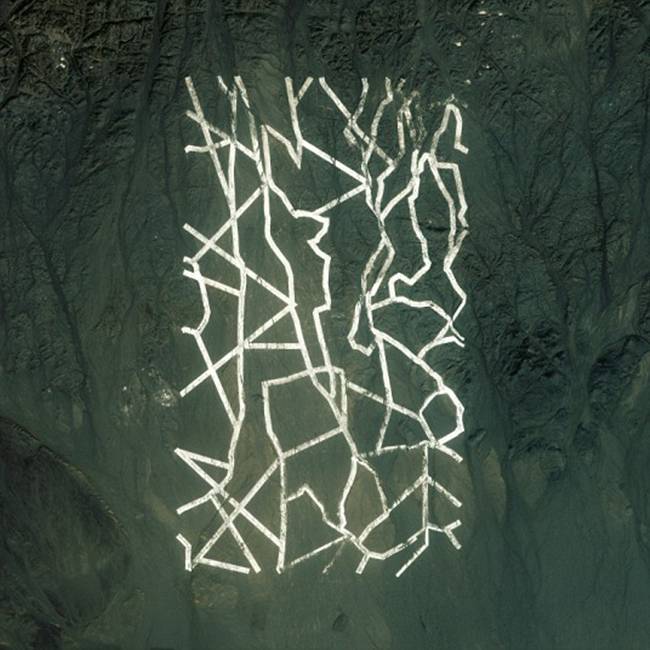
The white lines of the Gobi Desert
The white lines of the Gobi Desert.
River in the Taklamakan Desert
River in the Taklamakan Desert.
Rub al-Khali desert - a vast sandy desert in the Middle East, occupying the southern third of the Arabian Peninsula.
Meteor Crater Aorounga. Located in the state of Chad
Meteor Crater Aorounga. Located in the state of Chad.
Uluru in Australia
Uluru in Australia.
The Namib Desert (Africa)
The Namib Desert (Africa).
Structure Richat (Guell-Aire Richat) - a geological formation located in the Mauritanian Sahara desert.
 Structure Richat (Guell-Aire Richat) - a geological formation located in the Mauritanian Sahara desert.
Brandberg Mountains, located on the edge of the Namib Desert
Brandberg Mountains, located on the edge of the Namib Desert.
Desert Dasht-i-Kavir
Photos: Barcroft Media
Via — Link

[ DESTINATII DE VIS ] The Castle of Krak des Chevaliers in Syria

Krak des Chevaliers, also Crac des Chevaliers, is a Crusader castle in Syria and one of the most important preserved medieval castles in the world. The site was first inhabited in the 11th century by a settlement of Kurds; as a result it was known as Hisn al Akrad, meaning the "Castle of the Kurds". In 1142 it was given by Raymond II, Count of Tripoli, to the Knights Hospitaller. It remained in their possession until it fell in 1271. It became known as Crac de l'Ospital; the name Krak des Chevaliers was coined in the 19th century.
Krak des Chevaliers, also Crac des Chevaliers, is a Crusader castle in Syria and one of the most important preserved medieval castles in the world. The site was first inhabited in the 11th century by a settlement of Kurds; as a result it was known as Hisn al Akrad, meaning the "Castle of the Kurds". In 1142 it was given by Raymond II, Count of Tripoli, to the Knights Hospitaller. It remained in their possession until it fell in 1271.
Photo — Link

The Hospitallers began rebuilding the castle in the 1140s and were finished by 1170 when an earthquake damaged the castle. The order controlled a number of castles along the border of the County of Tripoli, a state founded after the First Crusade. Krak des Chevaliers was amongst the most important and acted as a centre of administration as well as a military base. After a second phase of building was undertaken in the 13th century, Krak des Chevaliers became a concentric castle. This phase created the outer wall and gave the castle its current appearance. The first half of the century has been described as Krak des Chevaliers' "golden age". At its peak, Krak des Chevaliers housed a garrison of around 2,000. Such a large garrison allowed the Hospitallers to extract tribute from a wide area. From the 1250s the fortunes of the Knights Hospitaller took a turn for the worse and in 1271 Krak des Chevaliers was captured by the Mamluk Sultan Baibars after a siege lasting 36 days, and then purportedly only by way of a forged letter purportedly from the Hospitallers' Grand Master that caused the Knights to surrender. 

Krak des Chevaliers, also Crac des Chevaliers, is a Crusader castle in Syria and one of the most important preserved medieval castles in the world. The site was first inhabited in the 11th century by a settlement of Kurds; as a result it was known as Hisn al Akrad, meaning the "Castle of the Kurds". In 1142 it was given by Raymond II, Count of Tripoli, to the Knights Hospitaller. It remained in their possession until it fell in 1271.
Photo — Link

Krak des Chevaliers, also Crac des Chevaliers, is a Crusader castle in Syria and one of the most important preserved medieval castles in the world. The site was first inhabited in the 11th century by a settlement of Kurds; as a result it was known as Hisn al Akrad, meaning the "Castle of the Kurds". In 1142 it was given by Raymond II, Count of Tripoli, to the Knights Hospitaller. It remained in their possession until it fell in 1271.
Photo — Link

Krak des Chevaliers, also Crac des Chevaliers, is a Crusader castle in Syria and one of the most important preserved medieval castles in the world. The site was first inhabited in the 11th century by a settlement of Kurds; as a result it was known as Hisn al Akrad, meaning the "Castle of the Kurds". In 1142 it was given by Raymond II, Count of Tripoli, to the Knights Hospitaller. It remained in their possession until it fell in 1271.
Photo — Link

Krak des Chevaliers, also Crac des Chevaliers, is a Crusader castle in Syria and one of the most important preserved medieval castles in the world. The site was first inhabited in the 11th century by a settlement of Kurds; as a result it was known as Hisn al Akrad, meaning the "Castle of the Kurds". In 1142 it was given by Raymond II, Count of Tripoli, to the Knights Hospitaller. It remained in their possession until it fell in 1271.
Photo — Link

Krak des Chevaliers, also Crac des Chevaliers, is a Crusader castle in Syria and one of the most important preserved medieval castles in the world. The site was first inhabited in the 11th century by a settlement of Kurds; as a result it was known as Hisn al Akrad, meaning the "Castle of the Kurds". In 1142 it was given by Raymond II, Count of Tripoli, to the Knights Hospitaller. It remained in their possession until it fell in 1271.
Photo — Link

Krak des Chevaliers, also Crac des Chevaliers, is a Crusader castle in Syria and one of the most important preserved medieval castles in the world. The site was first inhabited in the 11th century by a settlement of Kurds; as a result it was known as Hisn al Akrad, meaning the "Castle of the Kurds". In 1142 it was given by Raymond II, Count of Tripoli, to the Knights Hospitaller. It remained in their possession until it fell in 1271.
Photo — Link

Krak des Chevaliers, also Crac des Chevaliers, is a Crusader castle in Syria and one of the most important preserved medieval castles in the world. The site was first inhabited in the 11th century by a settlement of Kurds; as a result it was known as Hisn al Akrad, meaning the "Castle of the Kurds". In 1142 it was given by Raymond II, Count of Tripoli, to the Knights Hospitaller. It remained in their possession until it fell in 1271.
Photo — Link

Krak des Chevaliers, also Crac des Chevaliers, is a Crusader castle in Syria and one of the most important preserved medieval castles in the world. The site was first inhabited in the 11th century by a settlement of Kurds; as a result it was known as Hisn al Akrad, meaning the "Castle of the Kurds". In 1142 it was given by Raymond II, Count of Tripoli, to the Knights Hospitaller. It remained in their possession until it fell in 1271.
Photo — Link

Krak des Chevaliers, also Crac des Chevaliers, is a Crusader castle in Syria and one of the most important preserved medieval castles in the world. The site was first inhabited in the 11th century by a settlement of Kurds; as a result it was known as Hisn al Akrad, meaning the "Castle of the Kurds". In 1142 it was given by Raymond II, Count of Tripoli, to the Knights Hospitaller. It remained in their possession until it fell in 1271.
Photo — Link

Krak des Chevaliers, also Crac des Chevaliers, is a Crusader castle in Syria and one of the most important preserved medieval castles in the world. The site was first inhabited in the 11th century by a settlement of Kurds; as a result it was known as Hisn al Akrad, meaning the "Castle of the Kurds". In 1142 it was given by Raymond II, Count of Tripoli, to the Knights Hospitaller. It remained in their possession until it fell in 1271.
Photo — Link

Krak des Chevaliers, also Crac des Chevaliers, is a Crusader castle in Syria and one of the most important preserved medieval castles in the world. The site was first inhabited in the 11th century by a settlement of Kurds; as a result it was known as Hisn al Akrad, meaning the "Castle of the Kurds". In 1142 it was given by Raymond II, Count of Tripoli, to the Knights Hospitaller. It remained in their possession until it fell in 1271.
Photo — Link

Krak des Chevaliers, also Crac des Chevaliers, is a Crusader castle in Syria and one of the most important preserved medieval castles in the world. The site was first inhabited in the 11th century by a settlement of Kurds; as a result it was known as Hisn al Akrad, meaning the "Castle of the Kurds". In 1142 it was given by Raymond II, Count of Tripoli, to the Knights Hospitaller. It remained in their possession until it fell in 1271.
Photo — Link

Krak des Chevaliers, also Crac des Chevaliers, is a Crusader castle in Syria and one of the most important preserved medieval castles in the world. The site was first inhabited in the 11th century by a settlement of Kurds; as a result it was known as Hisn al Akrad, meaning the "Castle of the Kurds". In 1142 it was given by Raymond II, Count of Tripoli, to the Knights Hospitaller. It remained in their possession until it fell in 1271.
Photo — Link

Krak des Chevaliers, also Crac des Chevaliers, is a Crusader castle in Syria and one of the most important preserved medieval castles in the world. The site was first inhabited in the 11th century by a settlement of Kurds; as a result it was known as Hisn al Akrad, meaning the "Castle of the Kurds". In 1142 it was given by Raymond II, Count of Tripoli, to the Knights Hospitaller. It remained in their possession until it fell in 1271.
Photo — Link

Krak des Chevaliers, also Crac des Chevaliers, is a Crusader castle in Syria and one of the most important preserved medieval castles in the world. The site was first inhabited in the 11th century by a settlement of Kurds; as a result it was known as Hisn al Akrad, meaning the "Castle of the Kurds". In 1142 it was given by Raymond II, Count of Tripoli, to the Knights Hospitaller. It remained in their possession until it fell in 1271.
Photo — Link

Krak des Chevaliers, also Crac des Chevaliers, is a Crusader castle in Syria and one of the most important preserved medieval castles in the world. The site was first inhabited in the 11th century by a settlement of Kurds; as a result it was known as Hisn al Akrad, meaning the "Castle of the Kurds". In 1142 it was given by Raymond II, Count of Tripoli, to the Knights Hospitaller. It remained in their possession until it fell in 1271.
Photo — Link

Krak des Chevaliers, also Crac des Chevaliers, is a Crusader castle in Syria and one of the most important preserved medieval castles in the world. The site was first inhabited in the 11th century by a settlement of Kurds; as a result it was known as Hisn al Akrad, meaning the "Castle of the Kurds". In 1142 it was given by Raymond II, Count of Tripoli, to the Knights Hospitaller. It remained in their possession until it fell in 1271.
Photo — Link

Krak des Chevaliers, also Crac des Chevaliers, is a Crusader castle in Syria and one of the most important preserved medieval castles in the world. The site was first inhabited in the 11th century by a settlement of Kurds; as a result it was known as Hisn al Akrad, meaning the "Castle of the Kurds". In 1142 it was given by Raymond II, Count of Tripoli, to the Knights Hospitaller. It remained in their possession until it fell in 1271.
Photo — Link

Krak des Chevaliers, also Crac des Chevaliers, is a Crusader castle in Syria and one of the most important preserved medieval castles in the world. The site was first inhabited in the 11th century by a settlement of Kurds; as a result it was known as Hisn al Akrad, meaning the "Castle of the Kurds". In 1142 it was given by Raymond II, Count of Tripoli, to the Knights Hospitaller. It remained in their possession until it fell in 1271.
Photo — Link

Krak des Chevaliers, also Crac des Chevaliers, is a Crusader castle in Syria and one of the most important preserved medieval castles in the world. The site was first inhabited in the 11th century by a settlement of Kurds; as a result it was known as Hisn al Akrad, meaning the "Castle of the Kurds". In 1142 it was given by Raymond II, Count of Tripoli, to the Knights Hospitaller. It remained in their possession until it fell in 1271.
Photo — Link

Krak des Chevaliers, also Crac des Chevaliers, is a Crusader castle in Syria and one of the most important preserved medieval castles in the world. The site was first inhabited in the 11th century by a settlement of Kurds; as a result it was known as Hisn al Akrad, meaning the "Castle of the Kurds". In 1142 it was given by Raymond II, Count of Tripoli, to the Knights Hospitaller. It remained in their possession until it fell in 1271.
Photo — Link

Krak des Chevaliers, also Crac des Chevaliers, is a Crusader castle in Syria and one of the most important preserved medieval castles in the world. The site was first inhabited in the 11th century by a settlement of Kurds; as a result it was known as Hisn al Akrad, meaning the "Castle of the Kurds". In 1142 it was given by Raymond II, Count of Tripoli, to the Knights Hospitaller. It remained in their possession until it fell in 1271.
Photo — Link

Krak des Chevaliers, also Crac des Chevaliers, is a Crusader castle in Syria and one of the most important preserved medieval castles in the world. The site was first inhabited in the 11th century by a settlement of Kurds; as a result it was known as Hisn al Akrad, meaning the "Castle of the Kurds". In 1142 it was given by Raymond II, Count of Tripoli, to the Knights Hospitaller. It remained in their possession until it fell in 1271.
Photo — Link

Krak des Chevaliers, also Crac des Chevaliers, is a Crusader castle in Syria and one of the most important preserved medieval castles in the world. The site was first inhabited in the 11th century by a settlement of Kurds; as a result it was known as Hisn al Akrad, meaning the "Castle of the Kurds". In 1142 it was given by Raymond II, Count of Tripoli, to the Knights Hospitaller. It remained in their possession until it fell in 1271.
Photo — Link

Krak des Chevaliers, also Crac des Chevaliers, is a Crusader castle in Syria and one of the most important preserved medieval castles in the world. The site was first inhabited in the 11th century by a settlement of Kurds; as a result it was known as Hisn al Akrad, meaning the "Castle of the Kurds". In 1142 it was given by Raymond II, Count of Tripoli, to the Knights Hospitaller. It remained in their possession until it fell in 1271.
Photo — Link

Krak des Chevaliers, also Crac des Chevaliers, is a Crusader castle in Syria and one of the most important preserved medieval castles in the world. The site was first inhabited in the 11th century by a settlement of Kurds; as a result it was known as Hisn al Akrad, meaning the "Castle of the Kurds". In 1142 it was given by Raymond II, Count of Tripoli, to the Knights Hospitaller. It remained in their possession until it fell in 1271.
Photo — Link

Krak des Chevaliers, also Crac des Chevaliers, is a Crusader castle in Syria and one of the most important preserved medieval castles in the world. The site was first inhabited in the 11th century by a settlement of Kurds; as a result it was known as Hisn al Akrad, meaning the "Castle of the Kurds". In 1142 it was given by Raymond II, Count of Tripoli, to the Knights Hospitaller. It remained in their possession until it fell in 1271.
Photo — Link

Krak des Chevaliers, also Crac des Chevaliers, is a Crusader castle in Syria and one of the most important preserved medieval castles in the world. The site was first inhabited in the 11th century by a settlement of Kurds; as a result it was known as Hisn al Akrad, meaning the "Castle of the Kurds". In 1142 it was given by Raymond II, Count of Tripoli, to the Knights Hospitaller. It remained in their possession until it fell in 1271.
Photo — Link

Krak des Chevaliers, also Crac des Chevaliers, is a Crusader castle in Syria and one of the most important preserved medieval castles in the world. The site was first inhabited in the 11th century by a settlement of Kurds; as a result it was known as Hisn al Akrad, meaning the "Castle of the Kurds". In 1142 it was given by Raymond II, Count of Tripoli, to the Knights Hospitaller. It remained in their possession until it fell in 1271.
Photo — Link

Via — Link

WINTER

WINTER

Gandind ...

Gandind ...

Acest website este un pamflet!


Nu ne asumam nici o raspundere in ceea ce priveste continutul materialelor prezente pe website sau pentru continutul comentariilor lasate de utilizatorii acestui website si nici nu consideram a incalca in vreun fel drepturile de autor avand in vedere faptul ca se considera a fi informatii publice atata vreme cat sunt culese de pe siteuri publice care nu specifica intr-un mod expres ca ar fi proprietatea cuiva. Materialele prezentate pe acest website sunt in totalitate primite de la vizitatorii acestui website care isi asuma intreaga responsabilitate asupra lor sau al continutului lor.

Pentru nici una dintre situatii autorii acestui website nu pot fi acuzati de nimic.Pentru eventuale reclamatii va stam la dispozitie cu adresa de e-mail remusvoda@yahoo.com pentru gasirea unei rezolvari pe cale amiabila.

Comentariile fara rost sau cele vulgare pot fi sterse fara o anuntare prealabila .